Project
Lorem ipsum dolor sit amet, consectetur adipiscing elit.
Project We Worked on now
Urban RCH – 2 Units at Mandi
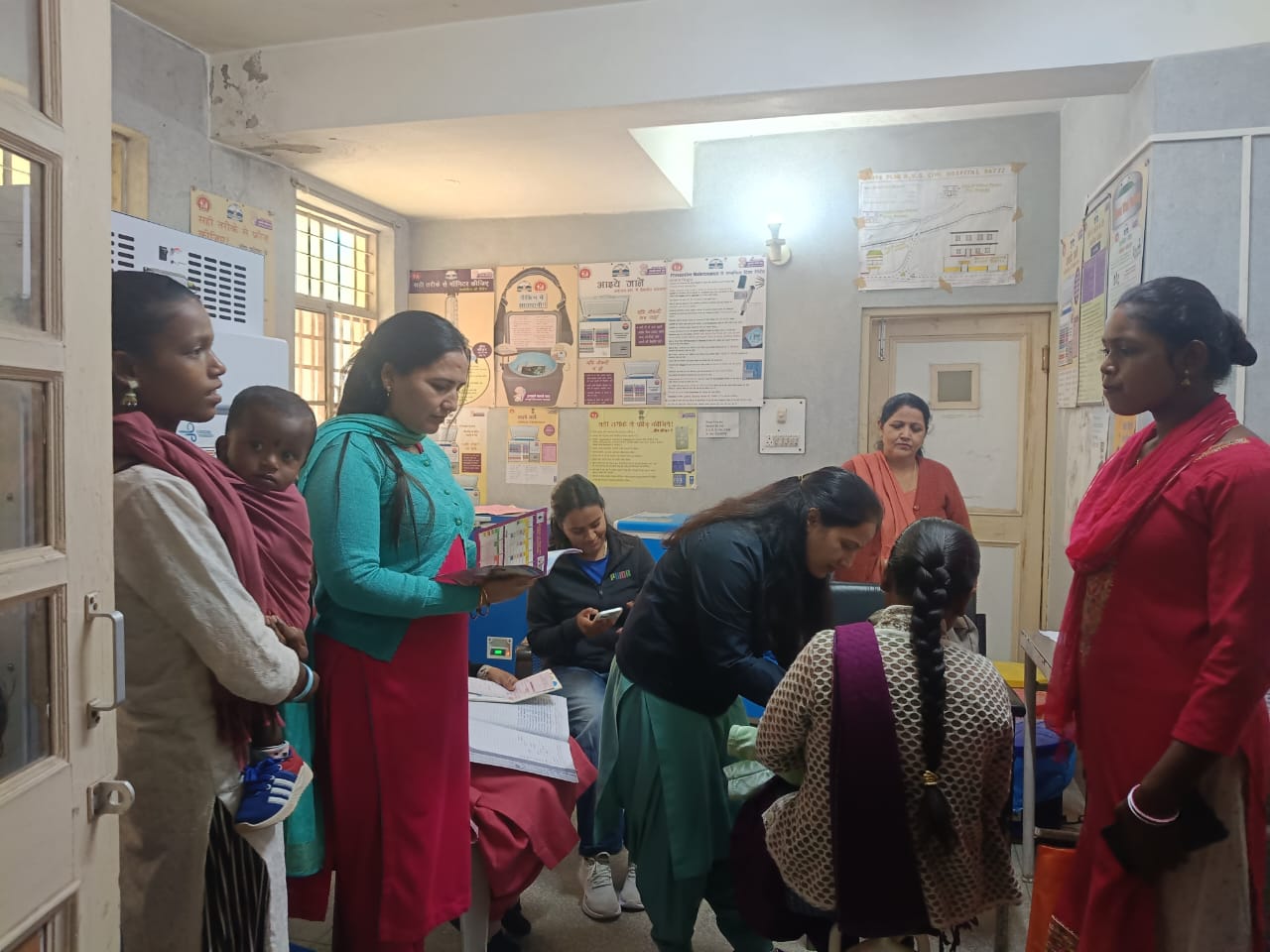
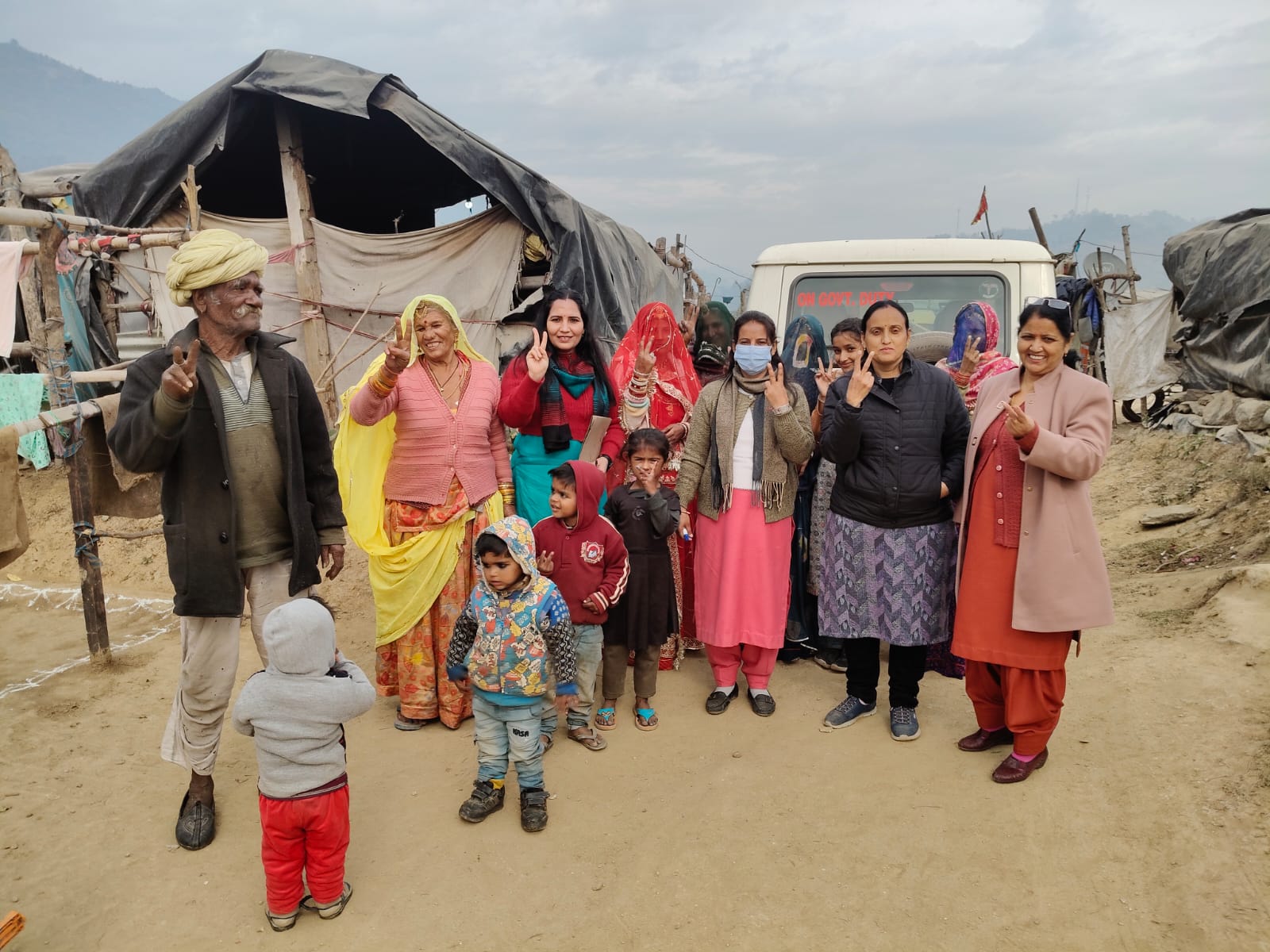
SRDA is implementing two Urban Reproductive and Child Health (RCH) units in Mandi town to improve health services for slum and underserved populations. More than 3,000 people are covered under this programme. Key services include maternal and child health care, antenatal and postnatal check-ups, immunization support, nutrition awareness, and family planning counselling. Special emphasis is placed on promoting institutional deliveries to reduce health risks for mothers and newborns. Regular outreach camps and home visits ensure last-mile service delivery. Community health workers actively mobilize women and families for health services. The programme strengthens awareness on reproductive health and hygiene practices. Continuous coordination with public health facilities ensures referral support.
Impact:
The programme has improved access to essential health services for marginalized urban communities. Institutional deliveries have increased, reducing maternal and infant health risks. Immunization coverage and health awareness among women have significantly improved. Families are adopting safer reproductive health practices. Overall, the initiative has contributed to healthier mothers, children, and stronger community health outcomes.
Family Counselling Center (FCC), Mandi
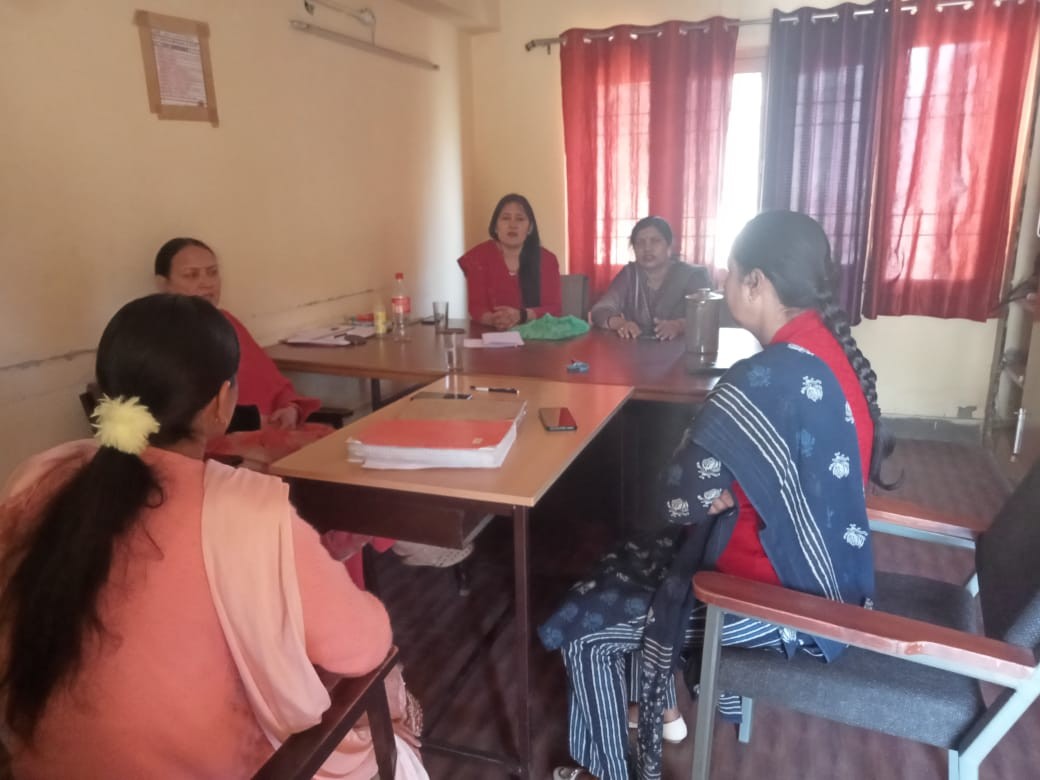
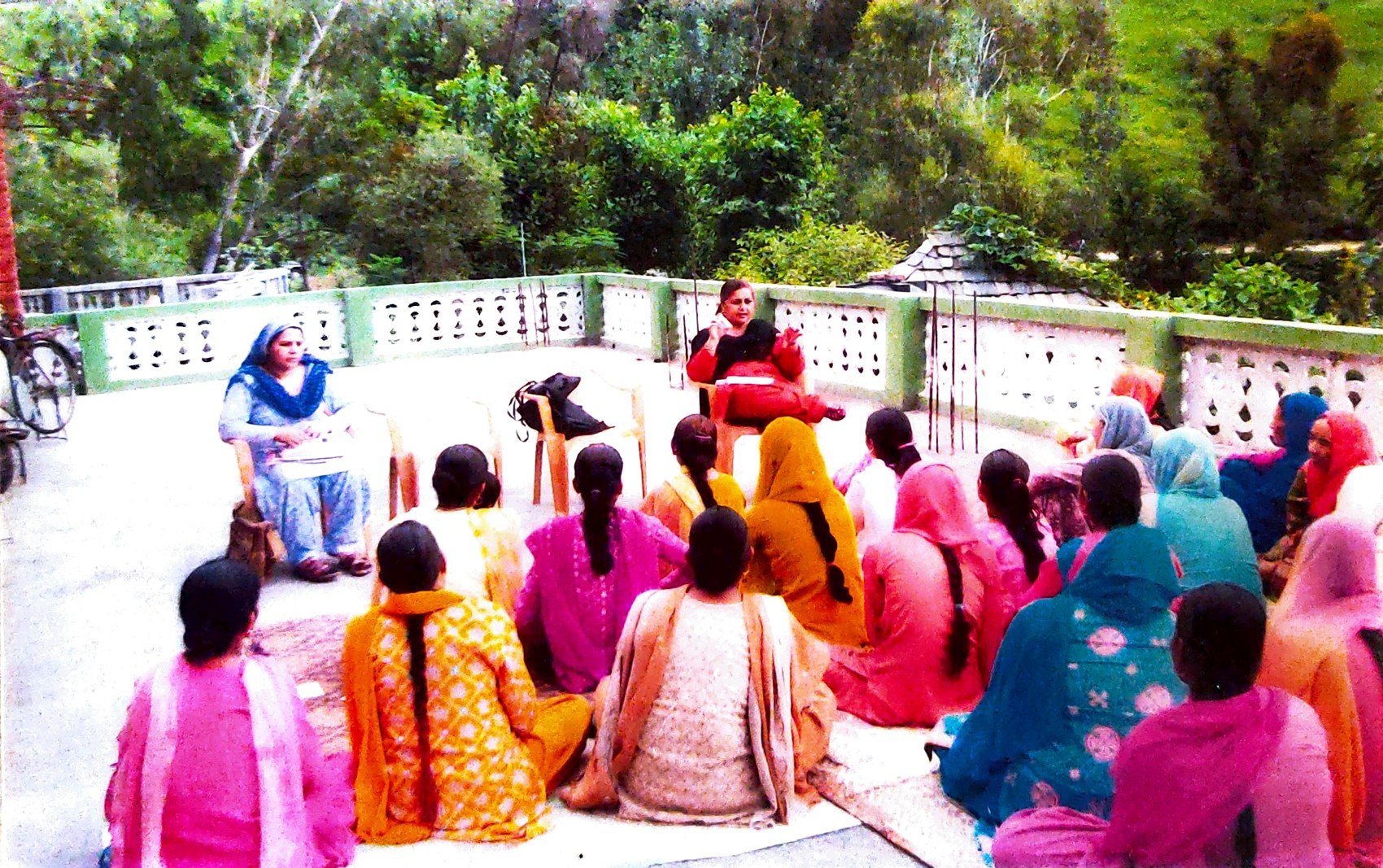
SRDA has been operating the Family Counselling Center in Mandi since 1997. The center provides counselling support for domestic disputes, marital conflicts, child-related issues, and social problems. Around 150 cases are registered annually, with nearly 70% resolved through counselling and mediation. The FCC offers a confidential and supportive environment for affected individuals. Counsellors provide emotional guidance, conflict resolution support, and legal awareness when required. The centre also conducts community awareness meetings on family harmony, women’s rights, and child protection. Collaboration with local authorities strengthens case handling mechanisms.
Impact:
The FCC has successfully reduced family conflicts and domestic violence cases through peaceful resolution. Many families have been reunited and children protected from unsafe environments. Community awareness on women’s rights and legal provisions has increased. The centre has become a trusted institution for social justice and family well-being in the district.
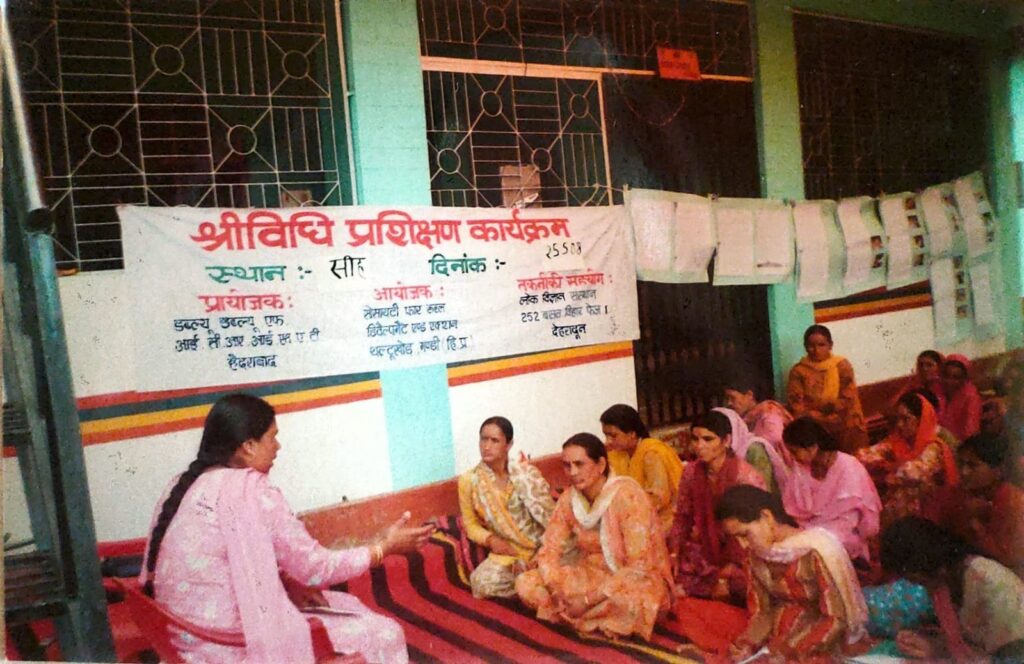
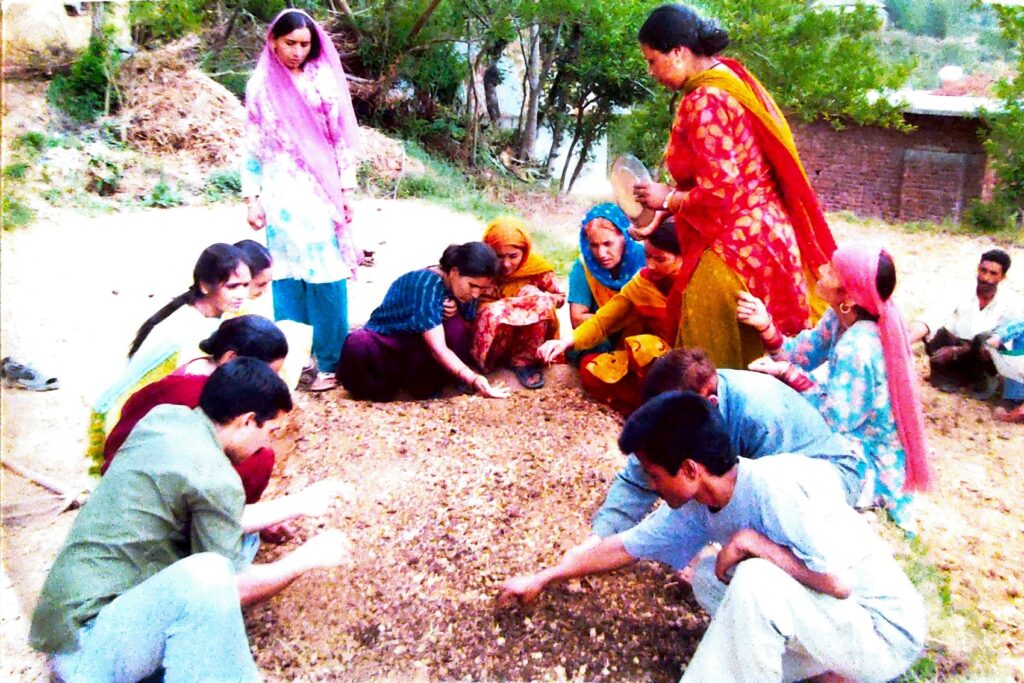
Promotion of Natural Farming
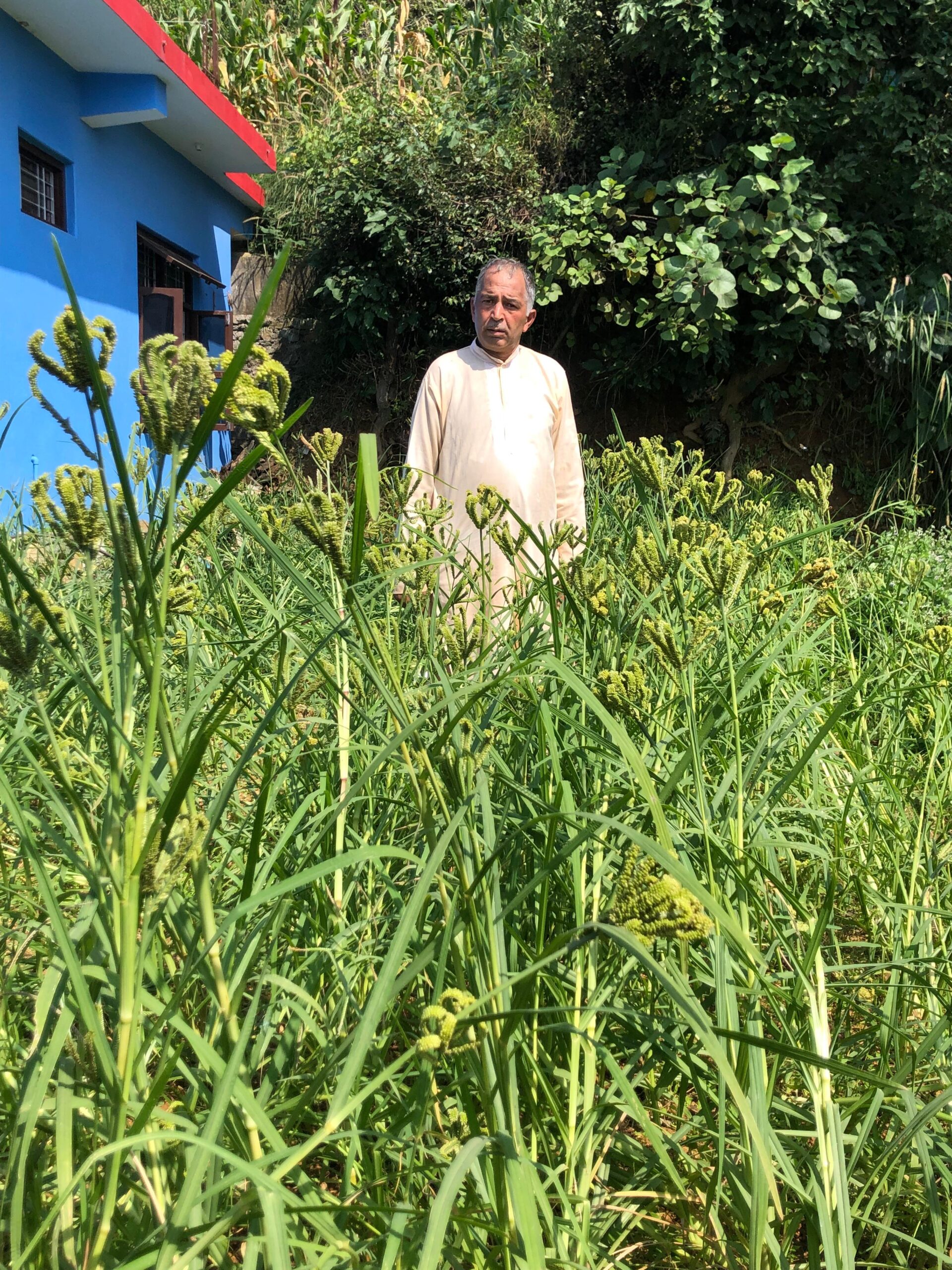
SRDA promotes sustainable and natural farming practices to improve rural livelihoods. So far, 550 farmers have been trained in chemical-free farming methods, soil health management, and preparation of organic inputs. Traditional seed varieties have been distributed to preserve local biodiversity. Demonstration farms and exposure visits encourage peer learning. Regular follow-ups support farmers in adopting new techniques. The programme aims to reduce dependency on costly chemical inputs and promote eco-friendly agriculture.
Impact:
Farmers have reduced input costs and improved soil fertility through natural practices. Crop diversity and traditional seed conservation have increased in the region. Households are producing healthier, chemical-free food for consumption and sale. The programme has strengthened climate-resilient farming and enhanced income opportunities for rural families.
Infrastructure Development in Schools
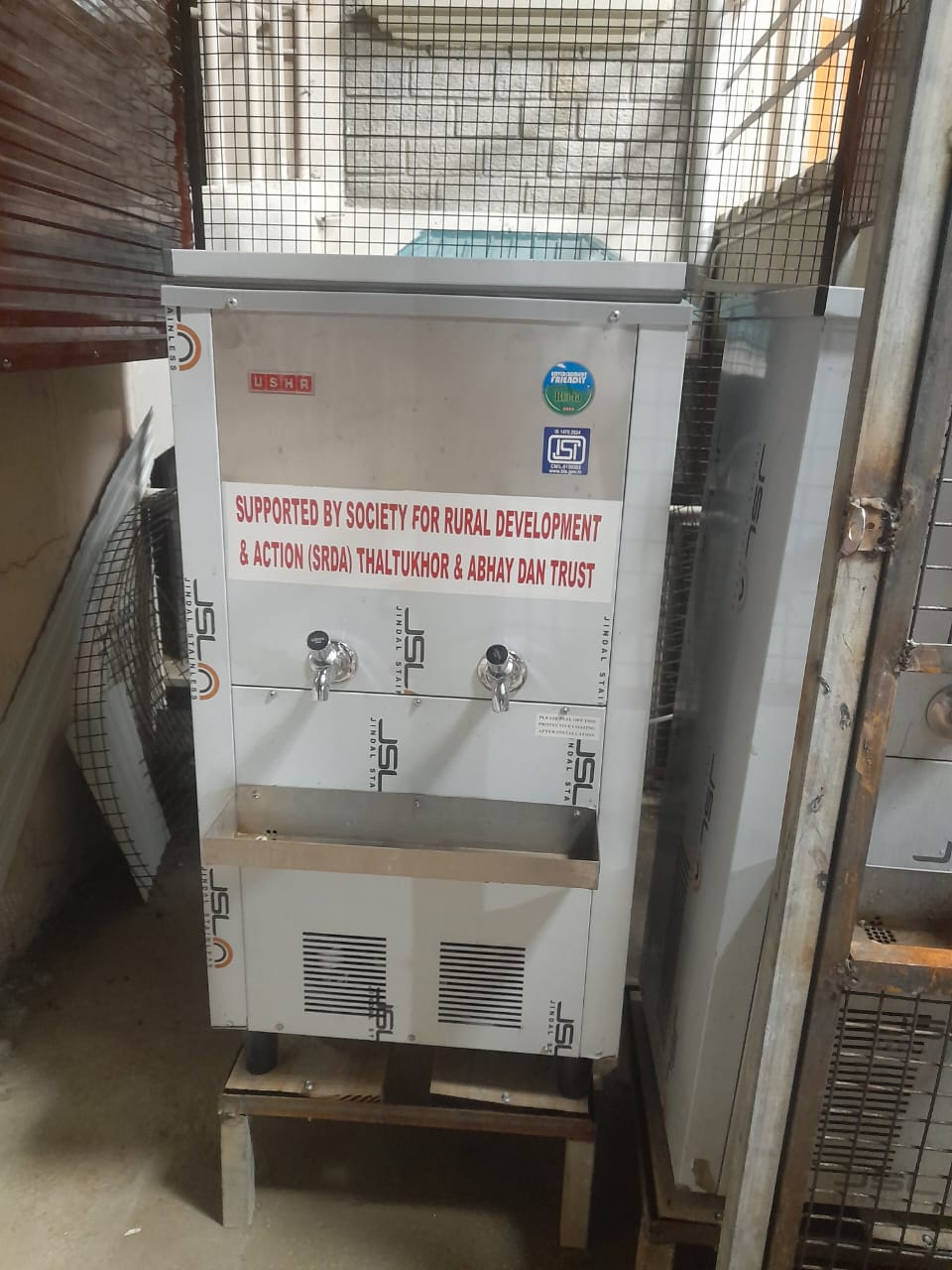
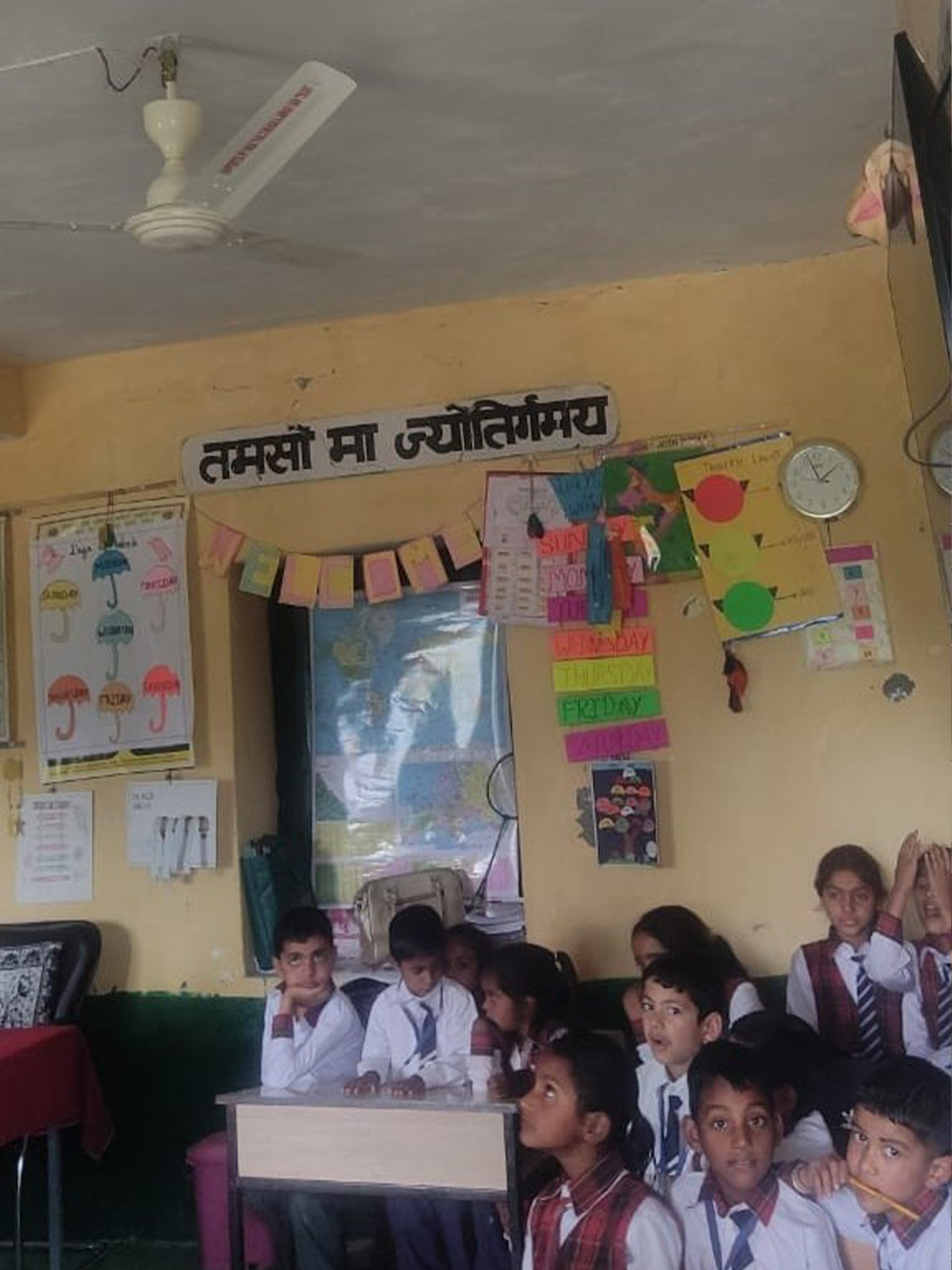
SRDA supports government schools by improving basic infrastructure. The organization provided 120 ceiling fans and installed 7 water coolers in schools to enhance student comfort and access to safe drinking water. School management committees were involved in identifying needs and ensuring maintenance. These interventions focus on creating a child-friendly learning environment, particularly in rural and underserved schools.
Impact:
Improved classroom conditions have increased student attendance and reduced discomfort during extreme weather. Availability of safe drinking water has contributed to better student health and hygiene. Teachers report improved concentration and learning engagement among students. The initiative has strengthened the overall quality of the school environment.
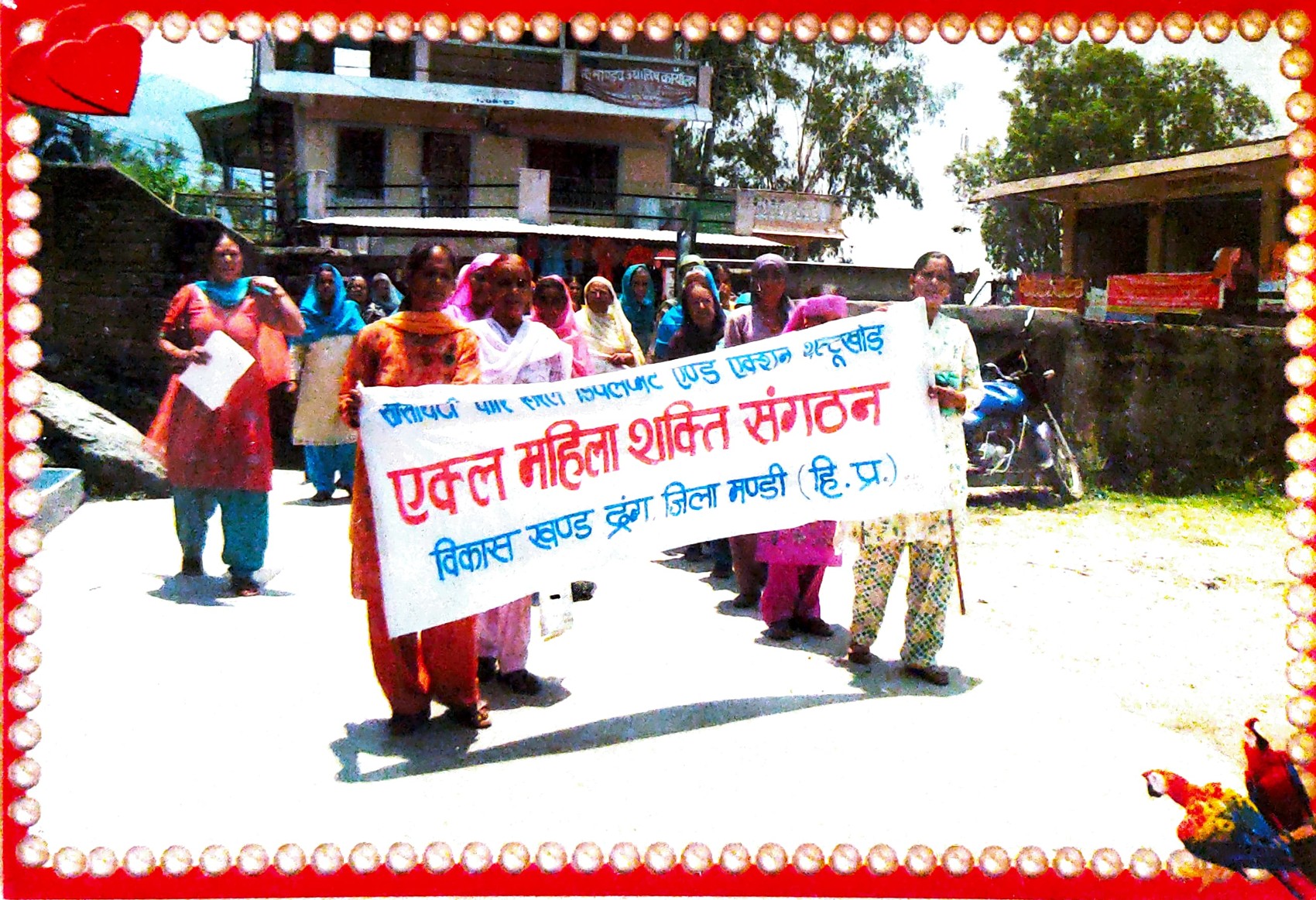
Scholarships for Children of Single Women
SRDA provides scholarships to children from single-women households to support continued education. Currently, 70 children receive financial assistance for school fees, uniforms, and study materials. Beneficiaries are identified through community consultation and need assessment. Regular follow-up ensures academic progress and reduces dropout risks.
Impact:
The scholarship programme has prevented school dropouts among vulnerable children. Single mothers feel empowered to support their children’s education. Beneficiary children show improved academic performance and confidence. The initiative promotes equal educational opportunities and long-term social inclusion.
Support for Flood-Affected Families in Mandi District
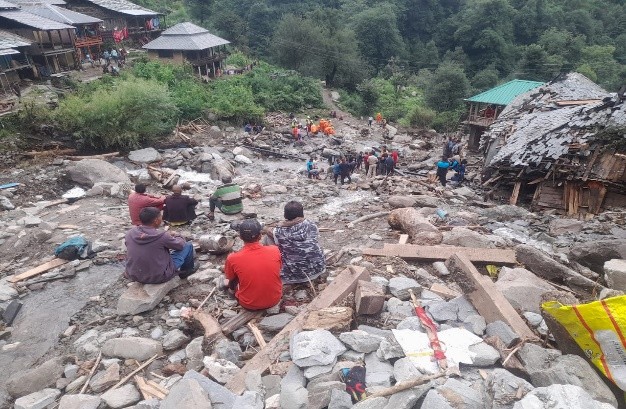
During the monsoon season, heavy rainfall and cloudbursts caused extensive damage in parts of Mandi district. SRDA provided immediate cash assistance to 155 affected families to meet urgent needs. Beneficiaries were identified through field verification and community coordination. Support was provided transparently in collaboration with local authorities.
Impact:
Emergency support helped families meet basic needs such as food, shelter repair, and household essentials. The assistance reduced distress migration and financial vulnerability. Communities were able to begin recovery faster after the disaster. SRDA’s timely intervention strengthened community resilience and trust.
Fuel & Fodder Plantation Programme
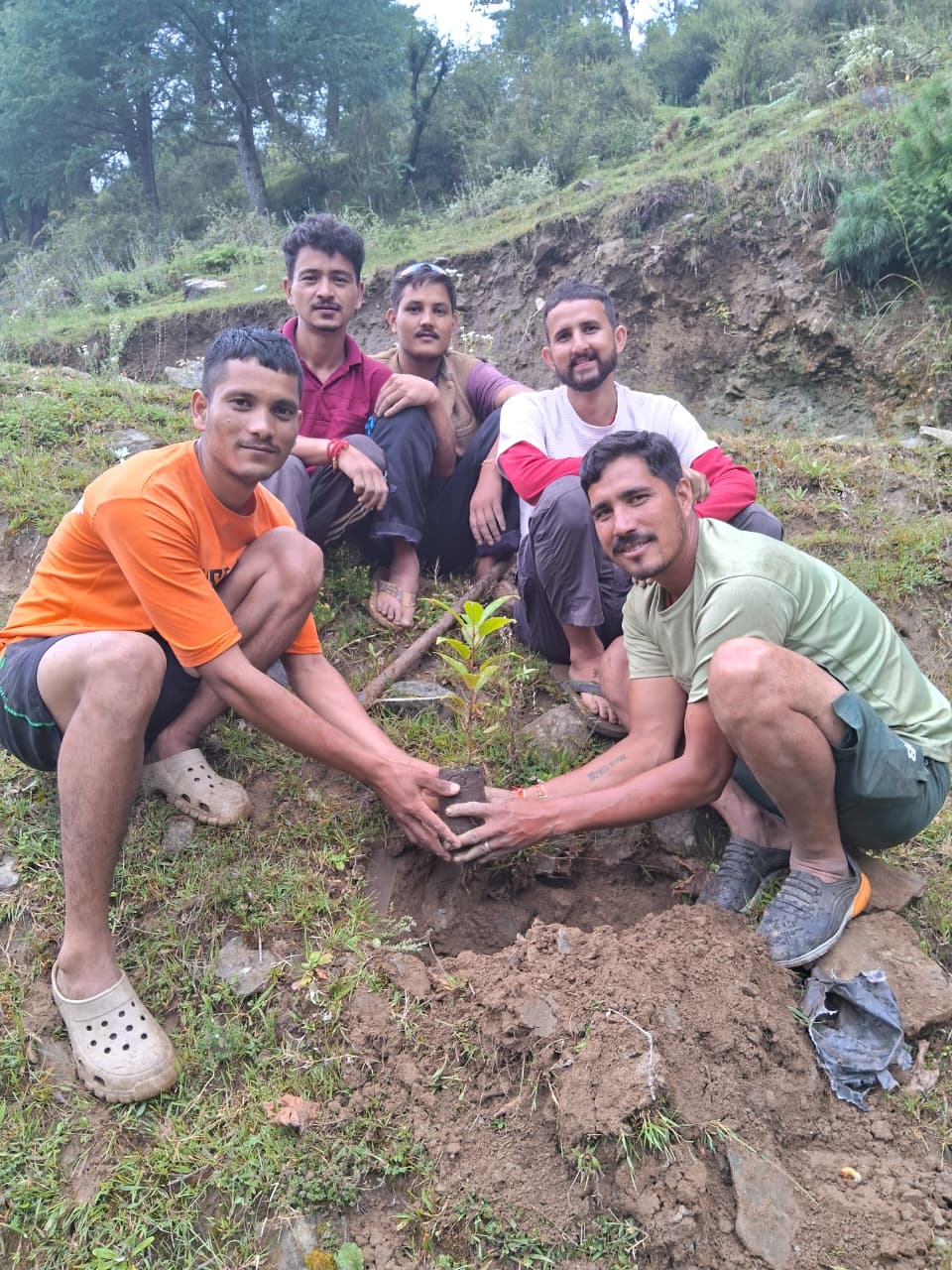
Agriculture and cattle rearing are the main livelihoods in the project area. Communities depend on forests for firewood and green fodder, while cattle dung is used for preparing organic manure to support natural farming. To reduce pressure on forests and improve local resource availability, SRDA planted more than 3,000 fuel and fodder plants with active participation of Community-Based Organizations (CBOs).
Impact:
Improved availability of fuelwood and fodder at the village level, reduced dependence on forest resources, and strengthened community participation in environmental conservation and sustainable livelihood practices.
Fruit Plantation for Income Generation (IGP)
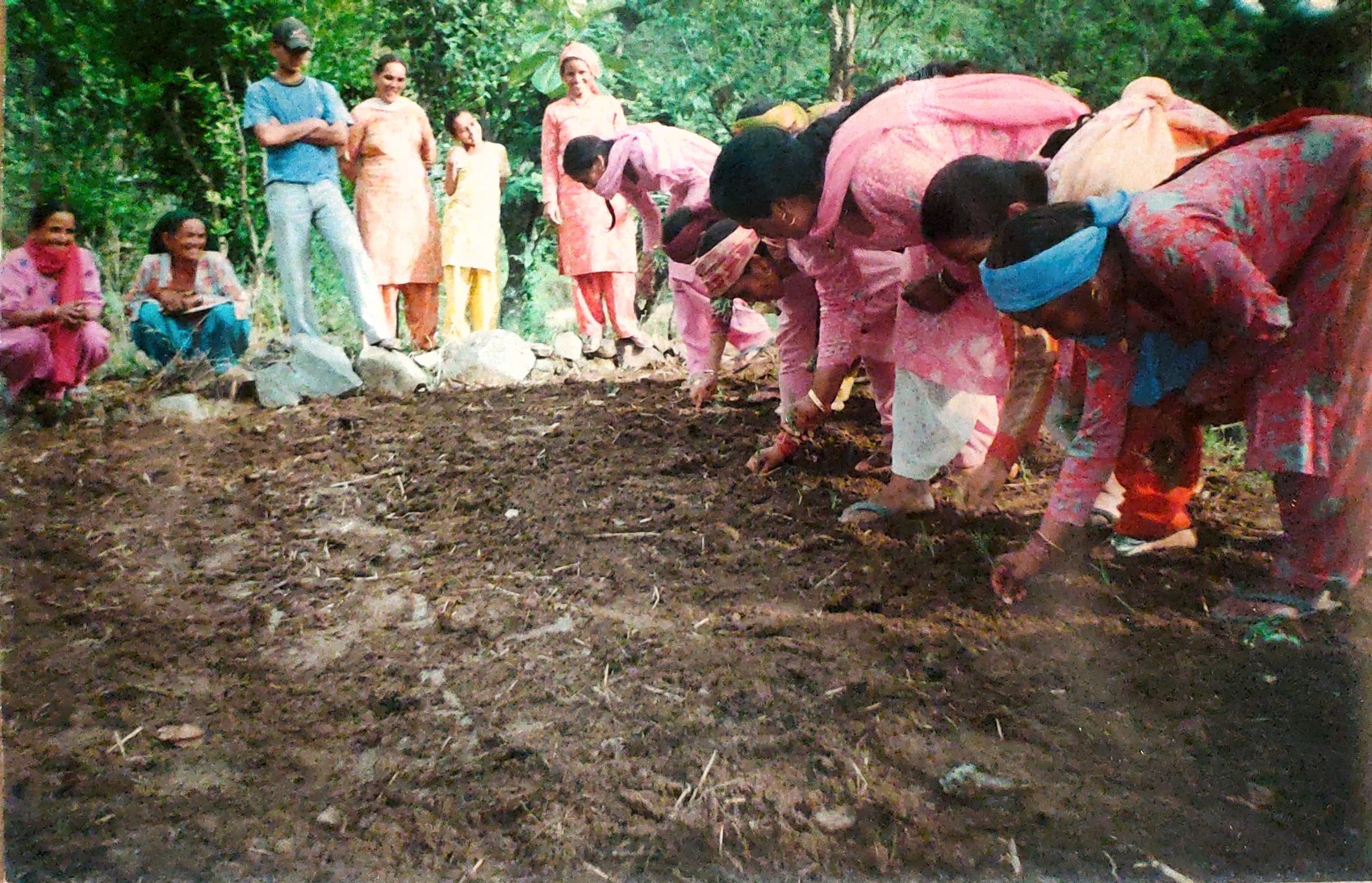
SRDA initiated fruit plantation activities in five villages to promote income generation opportunities for rural households. More than 500 fruit plants, including mango, lemon, and litchi, were planted with community participation. The programme encourages long-term livelihood development through horticulture-based incomes.
Impact:
Enhanced household income potential through fruit cultivation, improved nutritional intake, and strengthened community interest in sustainable income-generating activities.
Nutritional Support for TB Patients
Chowarghati is a remote area with limited income opportunities and restricted access to health and nutrition services. A significant number of tuberculosis (TB) patients in the area require external nutritional support to aid recovery. SRDA has adopted 19 TB patients and provided them with regular nutritional kits to strengthen treatment outcomes and overall well-being.
Impact:
Improved nutritional status of TB patients, better treatment adherence, and enhanced chances of recovery among vulnerable households in remote communities.
Targeted Intervention Project for IDUs and FSWs
SRDA is implementing a Targeted Intervention programme focusing on high-risk and marginalized groups. Under this initiative, SRDA covers 900 Female Sex Workers (FSWs) and 350 Injecting Drug Users (IDUs). The programme provides health awareness, counselling, risk reduction education, and linkages with health services.
Impact:
Increased awareness on HIV/AIDS and sexually transmitted infections, improved access to health services for high-risk groups, and reduced vulnerability through continuous outreach and support.
Join Our Community
Lorem ipsum dolor sit amet, consectetur adipiscing elit. Ut elit tellus, luctus nec ullamcorper mattis, pulvinar dapibus leo.